
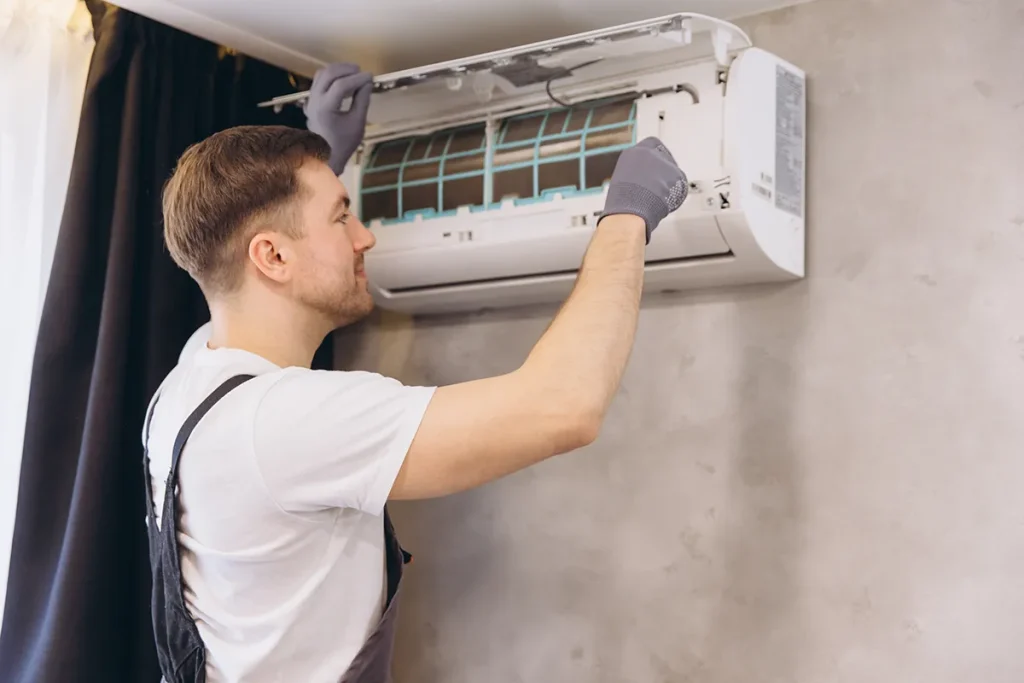
Air conditioning installation plays a major role in keeping your home comfortable, energy-efficient, and consistent during warmer months. Many homeowners struggle with uneven cooling, rising energy costs, or systems that fail too soon. These problems often start with choosing the wrong system. With the right planning and guidance, air conditioning installation can deliver reliable performance for years.
This blog explains what to consider when selecting a system, helping you make a confident and informed decision before scheduling professional installation.
Why Air Conditioning Installation Requires Careful Planning
Air conditioning installation is not simply about replacing an old unit. Every home has unique needs based on layout, insulation, square footage, and usage habits. Choosing a system without evaluating these factors can lead to poor airflow, high humidity, and frequent breakdowns.
Proper planning allows homeowners to:
- Achieve consistent indoor temperatures
- Reduce unnecessary energy waste
- Improve system lifespan
- Avoid costly repairs
- Maintain long-term comfort
Working with a qualified HVAC contractor ensures the system is matched correctly to your home.
Common System Types Used for Air Conditioning Installation
Understanding system options helps narrow the best fit for your space and budget.
Central Air Conditioning Installation Options
Central systems use ductwork to distribute cool air throughout the home. They are one of the most common air conditioning installation choices for residential properties.
Best suited for:
- Homes with existing ductwork
- Whole-home cooling needs
- Even temperature distribution
Central systems are often paired with smart thermostats for better control. Learn more about central air conditioning services to see how professional installation supports long-term comfort.
Ductless Systems for Air Conditioning Installation
Ductless mini-split systems cool individual rooms without ductwork. Each zone has its own indoor unit.
Best suited for:
- Older homes without ducts
- Room additions
- Zoned temperature control
These systems offer flexibility and improved efficiency in targeted areas.
Heat Pumps and Hybrid Cooling Systems
Heat pumps provide both cooling and heating through a single system. They are increasingly popular in modern air conditioning installation projects.
Best suited for:
- Mild climates
- Energy-conscious households
- Homes seeking year-round efficiency
System Sizing Is Critical for Air Conditioning Installation
Incorrect sizing is one of the most common mistakes in air conditioning installation. A system that is too large cools too quickly and shuts off before removing humidity. A system that is too small struggles to maintain comfort.
Professional sizing accounts for:
- Square footage
- Ceiling height
- Insulation quality
- Window placement
- Sun exposure
Proper sizing supports consistent airflow, humidity control, and long-term reliability.
Energy Efficiency and Air Conditioning Installation Decisions
Energy efficiency should always be considered during air conditioning installation planning. Efficient systems reduce monthly costs and environmental impact.
Key Efficiency Factors
- SEER ratings
- ENERGY STAR® certification
- Variable-speed technology
While higher-efficiency systems may cost more initially, they typically reduce energy bills over time.
Air Conditioning Installation and Indoor Air Quality
Modern air conditioning installation supports more than temperature control. Many systems improve indoor air quality by filtering dust, pollen, and airborne particles.
Features that support cleaner air include:
- High-efficiency filters
- Balanced airflow
- Humidity regulation
- Sealed duct connections
These features contribute to a healthier indoor environment.
Why Professional Air Conditioning Installation Matters
Even the best system will underperform if air conditioning installation is done incorrectly. Professional installation ensures proper setup, safety, and performance.
Licensed HVAC companies handle:
- Refrigerant charging
- Electrical connections
- Airflow calibration
- Manufacturer warranty compliance

Frequently Asked Questions
How long does air conditioning installation take?
Most standard air conditioning installation projects take one day. Larger systems or duct modifications may require additional time.
How do I know which system is right for my home?
A professional HVAC contractor evaluates your home and performs load calculations to determine the best option.
Does air conditioning installation require ductwork replacement?
Not always. Existing ductwork can often be reused if it is properly sealed and sized.
Can air conditioning installation reduce energy bills?
Yes. Proper installation and system selection often result in lower monthly energy costs.
Making the Right Choice for Long-Term Cooling
Choosing the right system for air conditioning installation impacts comfort, efficiency, and system lifespan. Evaluating system type, size, efficiency, and installation quality helps avoid common problems and ensures dependable performance.
Professional guidance makes the difference between short-term fixes and long-term comfort.
Schedule Professional Air Conditioning Installation Today
If you are planning air conditioning installation, working with an experienced HVAC contractor helps ensure proper system selection, correct sizing, and dependable performance from the start. Professional installation reduces the risk of future issues and supports long-term efficiency and comfort.
To get started, schedule air conditioning installation service with a qualified team that understands residential cooling needs. Contact ANC Air & Heat to discuss your installation options and request professional support. You can also visit our blog for more HVAC tips, system guidance, and maintenance insights.